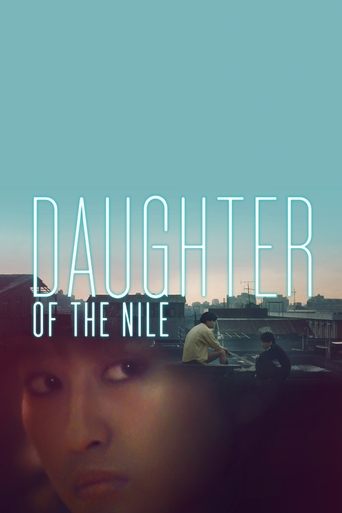
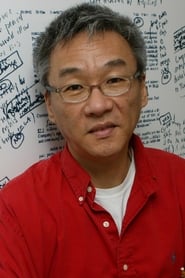
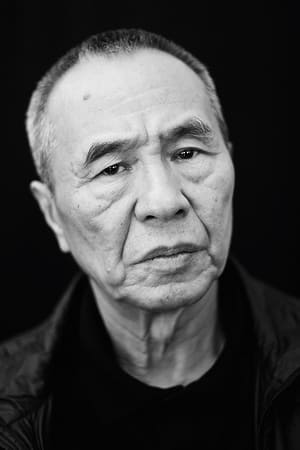
Hou Hsiao-hsien
The poet of time and memory made visible through landscape. His cinema is patient, elliptical, alive to the ghosts that haunt Taiwan's postcolonial present, history dissolved into light, faces caught between frames.
Start here
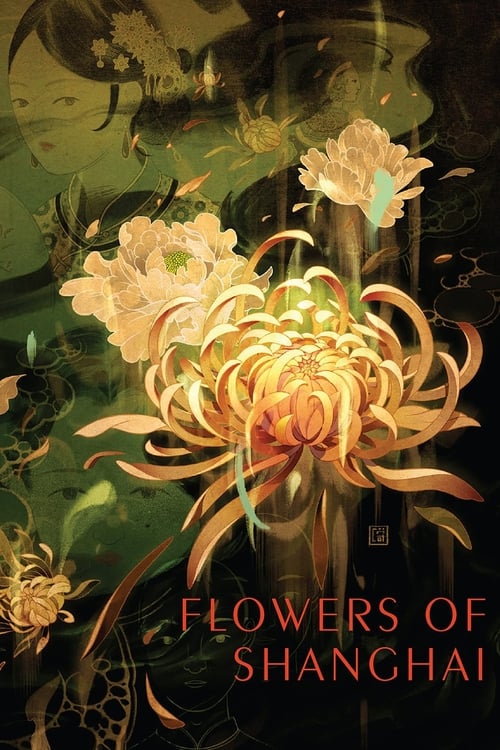
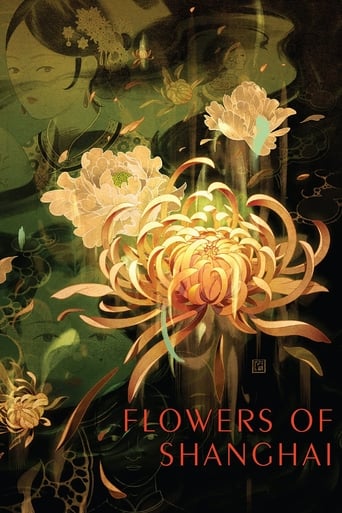
Flowers of Shanghai
At the end of the 19th century, Shanghai is divided into several foreign concessions. In the British concession, a number of luxurious “flower houses” are reserved for the male elite of the city.
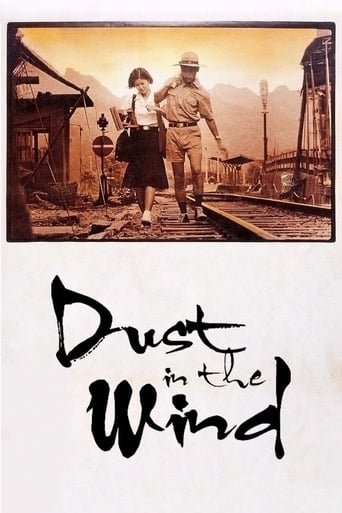
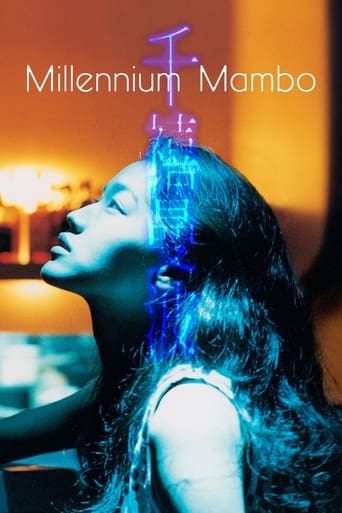
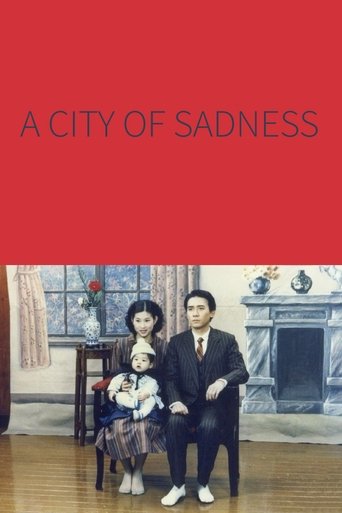
Defining films


Keep following
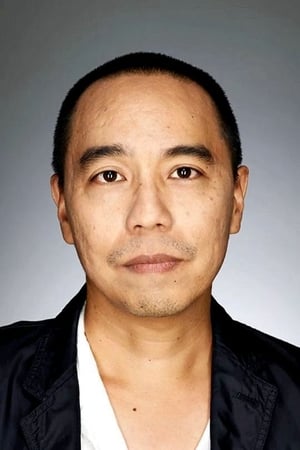
Both filmmakers use duration and landscape as spiritual inquiry — cinema as meditation on time, trauma, and national memory inscribed in geography.
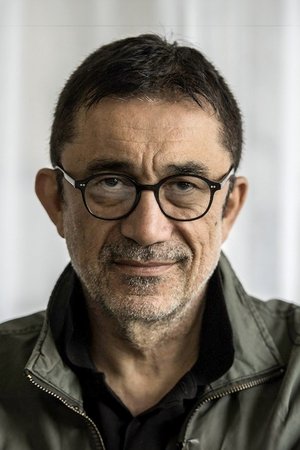
Shared obsession with rural spaces and long takes that allow history to accumulate in the frame — the personal inseparable from the historical wound.

Both create opaque narratives where sound and image drift apart — cinema that privileges atmosphere and sensation over plot, memory over clarity.
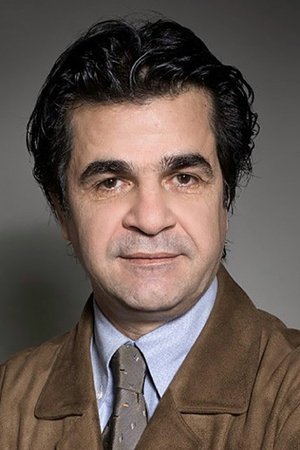
Architects of post-war Asian cinema — both making formally restless films about national identity, constraint, and the cinema itself as act of resistance.