Lucrecia Martel
The archaeologist of silence and stasis. Her films move like fever dreams through colonial ruins and domestic prisons, time dilates, bodies languish, the camera refuses to look away. She renders inertia as a form of violence.

Start here

Zama
In a remote South American colony in the late 18th century, officer Zama of the Spanish crown waits in vain for a transfer to a more prestigious location. He suffers small humiliations and petty politicking as he increasingly succumbs to lust and paranoia.
Films


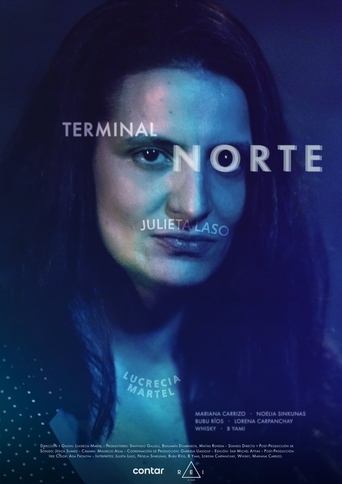
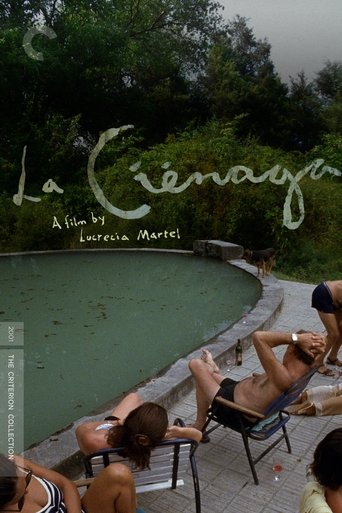

Keep following

Both excavate female interiority through suffocating domestic and historical spaces — desire trapped in amber, waiting for release that never comes.

Shared obsession with bodies in crisis, provincial decay, and the slow strangulation of social hierarchies — cinema of entrapment.

Both filmmakers inhabit the weight of colonial history through patient, digressive narratives where landscape becomes character and time becomes burden.

Contemporary inheritors of the essay-film tradition — elliptical, painterly, resistant to narrative closure; cinema as meditation on presence and absence.


