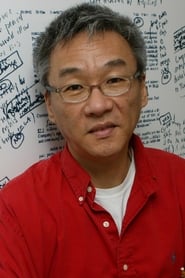
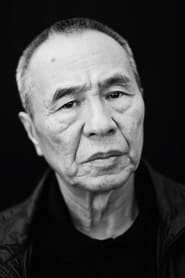
Tsai Ming-liang
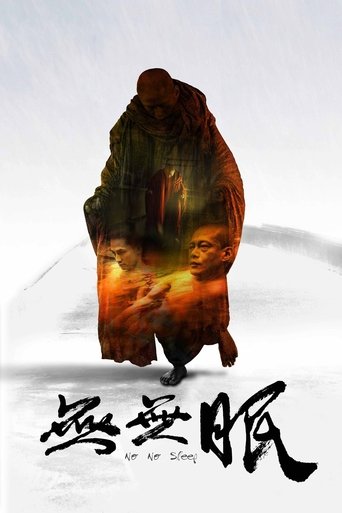
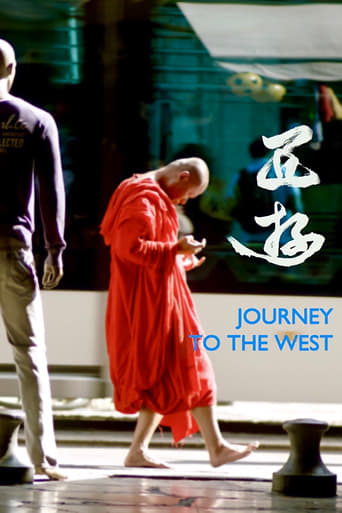
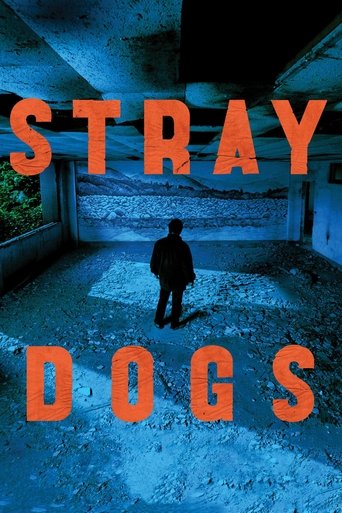
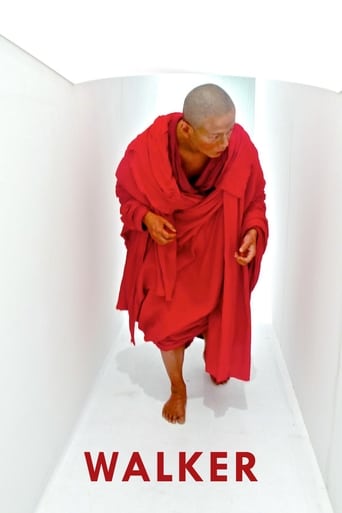
The poet of stasis and desire, where nothing happens and everything aches. His cinema moves at the speed of longing, long takes of empty spaces, bodies suspended in time, love as a kind of sickness that never breaks the surface.
Read more Senses of CinemaTSPDTIMDb

Start here
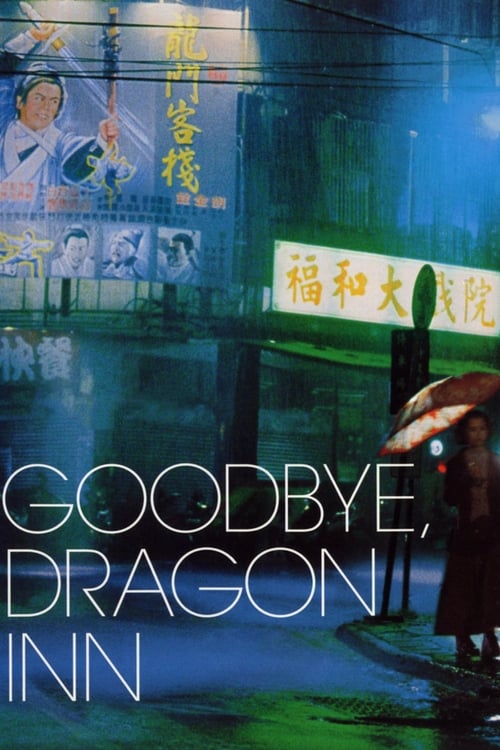
Goodbye, Dragon Inn
On a dark, wet night in Taipei City, a cavernous old picture palace is about to close its doors forever. A meager audience, the remaining few staff, and perhaps even a ghost or two, watch King Hu’s wuxia classic "Dragon Inn", each haunted by memories and desires evoked by cinema itself.
Defining films

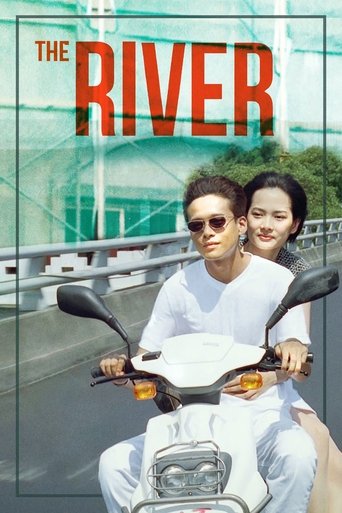

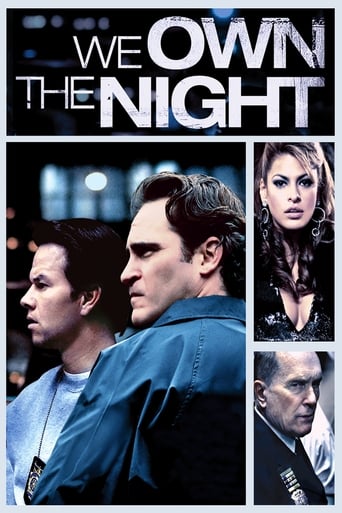
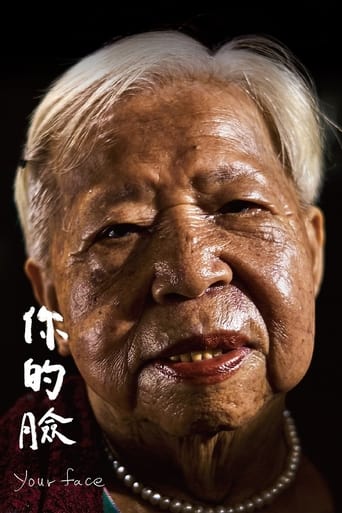
Keep following
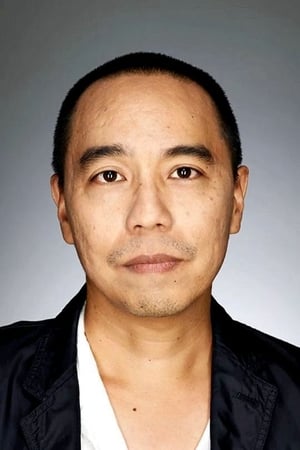
Both conjure cinema from heat, humidity, and profound stillness — the everyday transformed into meditation on time, memory, and invisible desires.
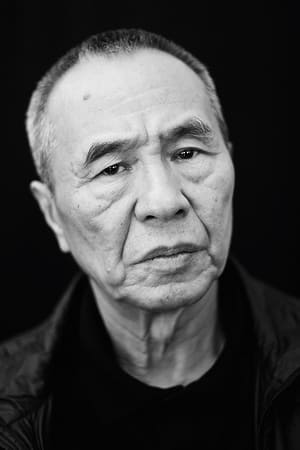
Twin architects of Taiwanese cinema — one mythologizing the past, one documenting the present's slow dissolution into melancholy.
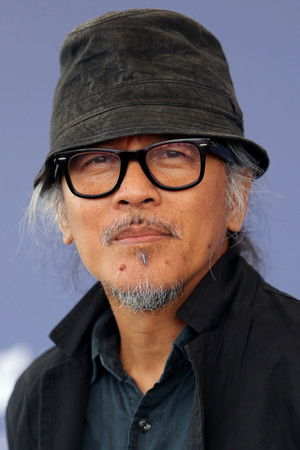
Southeast Asian slow cinema visionaries — both create durational epics where time itself becomes the subject, and waiting is the only plot.

Both use minimalism and long duration as instruments of emotional violence — cinema that withholds comfort and forces confrontation with absence.