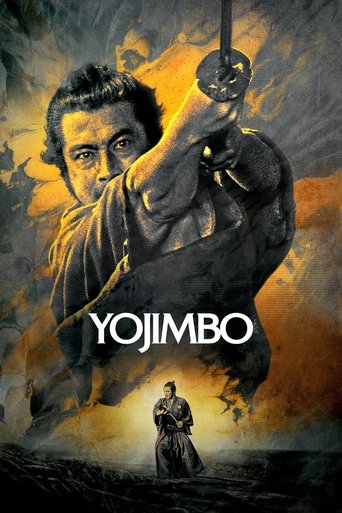
Yojimbo
Films it shaped
-
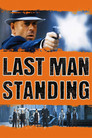
Wikidata structured statement: "Last Man Standing" based on (P144) "Yojimbo". Reference: http://www.nytimes.com/movie/review?res=940DEFDF173DF933A1575AC0A960958260
-
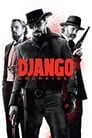
I mean, for me, I wanted to make a movie that was not just a comic movie, but was actually a movie that functioned as a drama and as a Western, so it’s inspired by everything from Shane, Unforgiven, The Gauntlet, Paper Moon, but also the ideas of samurai pictures like Yojimbo, about a lone warrior dealing with the end of his career, about a surrogate father kind of story.
-
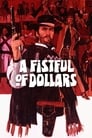
Ironic, that having borrowed from the Western, Kurosawa inspired one: Sergio Leone's "A Fistful of Dollars" (1964), with Clint Eastwood, is so similar to "Yojimbo" that homage shades into plagiarism.
-
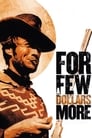
Sergio Leone, the director of 'For a Few Dollars More,' frequently cited Akira Kurosawa's 'Yojimbo' (1961) as a foundational inspiration for the entire 'Dollars Trilogy.' He borrowed the concept of the wandering, enigmatic anti-hero and the dramatic structure of the isolated Western town, which became defining stylistic and thematic elements refined and developed further in 'For a Few Dollars More'.
-
We loved the martial arts genre. We watched so many of those movies, classic Shaw Brothers films, Kurosawa's films like Yojimbo and Seven Samurai, and the more recent films like Ang Lee's Crouching Tiger, Hidden Dragon and Zhang Yimou's Hero. We wanted to pay homage to those films, not parody them. The challenge was to integrate that reverence for the genre into a DreamWorks comedy.
-
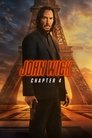
Director Chad Stahelski mapped Sergio Leone's The Good, the Bad and the Ugly directly onto the climax, three combatants approaching each other in a graveyard-like space (here, Sacré-Cœur in Paris), music swelling, time dilating. Stahelski also cited the Japanese Zatoichi blind swordsman films as the blueprint for Donnie Yen's character, the sense of a master assassin navigating the world through pure technique and memory.
-
Mad Max Atlas note
We loved that kind of brutal, grimy, almost punk aesthetic of those films, particularly the first Mad Max. It's just so raw and visceral, and that's something we always strived for in our action.
-
The Bodyguard Atlas note
Lawrence Kasdan and Kevin Costner formally acknowledged Akira Kurosawa's Yojimbo (1961) by including a scene where the couple goes to see it. Yojimbo, which translates to "The Bodyguard", provided the thematic foundation: the stoic protector who must guard someone while remaining emotionally impenetrable. It's a romance built on the paradox of closeness and distance.
-
Unforgiven Atlas note
Clint Eastwood built Unforgiven as a reckoning with the films that made him famous, specifically Sergio Leone's Spaghetti Westerns, which were themselves remakes of Kurosawa's samurai films. Leone took Yojimbo and made A Fistful of Dollars. Eastwood played the character. Decades later, he made Unforgiven to ask what that character actually was: not a hero, a mechanism of violence given a moral costume. Yojimbo is where it started.
-
No Country for Old Men Atlas note
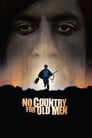
Anton Chigurh is Kurosawa's samurai without a code, pure violence untethered from honor. The Coen Brothers have cited Kurosawa throughout their career, and No Country for Old Men shares his understanding that evil operates by its own internal logic. Jean-Pierre Melville's Le Samouraï, a French crime film about a professional killer of absolute precision, is the closer ancestor for Chigurh's frightening calm. Le Samouraï is on Criterion Channel and is one of the coolest films ever made.
-
Mad Max: Fury Road Atlas note
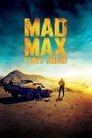
George Miller screened Kurosawa's Yojimbo for his entire crew before production began on Fury Road, a 1961 Japanese film about a nameless masterless samurai who walks into a town being destroyed by two warring factions and plays them against each other. Max Rockatansky is Yojimbo. The same film became A Fistful of Dollars when Leone remade it. Miller understood that Kurosawa had discovered something about the moral geometry of the lone warrior that survived any genre.