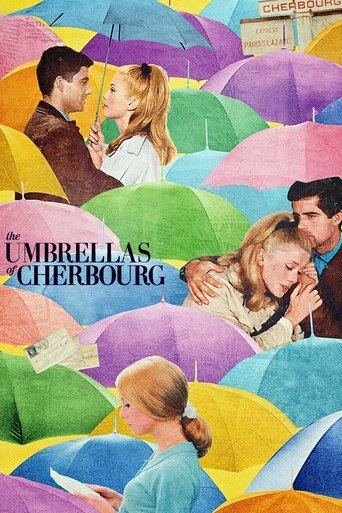
Umbrellas of Cherbourg
Where the DNA of Umbrellas of Cherbourg travels
Films it shaped
-
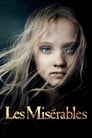
I also wanted to take the film out of the studio, because I was influenced by the French New Wave, by films like 'The Umbrellas of Cherbourg' [Les Parapluies de Cherbourg, 1964]. That film shot on location, used natural light, and had a great sense of visual truth. I wanted to apply that aesthetic to Les Mis.
-
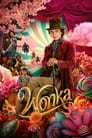
I watched Jacques Demy’s The Umbrellas of Cherbourg a lot. It’s got that melancholy but also a lot of joy. I wanted Wonka to have that bittersweet feeling.
-
Yeah, I love musicals. I’m a big fan of Gene Kelly and Donald O’Connor and Fred Astaire. I’m a big fan of The Umbrellas of Cherbourg. I remember when I was teaching film at Harvard, I showed The Umbrellas of Cherbourg to my students. I loved it. I tried to make a musical with School Daze.
-
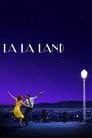
Damien Chazelle has said that Jacques Demy, a French director who in 1964 made a film where every single word is sung, showed him that a musical could carry genuine tragedy rather than manufactured joy. The Umbrellas of Cherbourg ends in loss. Chazelle built the ending of La La Land from that lesson. Cherbourg is streaming on Criterion Channel and has the same color palette, the same impossible romance, and a sadder ending.
-
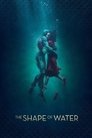
I watched 'Umbrellas of Cherbourg,' and 'The Young Girls of Rochefort.' I said, I want that color palette, I want that sort of innocent melancholy that they have. I really thought about Jacques Demy when I was making this film, because he makes musicals that are very melancholic.
-
Moulin Rouge! Atlas note
Baz Luhrmann has said he flew to Mumbai specifically to experience Bollywood from inside the audience, not to research, but to feel it. He sat in a packed cinema and watched Raj Kapoor's Shree 420 and understood immediately what a musical could be: communal, ecstatic, unapologetically emotional. Kapoor was called the Charlie Chaplin of India. Awara and Shree 420 are the two films that taught Luhrmann the register Moulin Rouge! needed.
-
Call Me by Your Name Atlas note
Luca Guadagnino has cited Pier Paolo Pasolini's Teorema, a 1968 Italian film in which a mysterious stranger arrives and seduces every member of a bourgeois family, as the direct narrative model for what happens between Elio and Oliver that summer. Wong Kar-wai's influence is everywhere in the texture: desire as something felt in light and fabric before it's understood as feeling. Teorema is on MUBI and will change how you read the film.
-
The Worst Person in the World Atlas note

Demy taught cinema that tone could shift like weather, that a film could move from musical joy to genuine melancholy without losing its coherence, that romance and disappointment could coexist in the same frame. The Worst Person in the World absorbs this completely. It's a film about a woman's twenties, which means it's a film about promise and compromise, desire and accident, the moment when spontaneous life becomes something more complicated. Like Demy, Trier treats small choices and small ruptures as genuinely devastating, and the city (Oslo, not Cherbourg) becomes a character that mirrors her changing emotional weather.
-
Barbie Atlas note

Greta Gerwig has said she watched Jacques Demy's 1964 French musical The Umbrellas of Cherbourg, a film where every word is sung, every surface is saturated with color, and understood immediately what Barbieland should be: a world where artifice isn't dishonesty, it's the only language adequate to feeling. Demy's films are devastating precisely because they're beautiful. The same sadness hides inside Barbie.