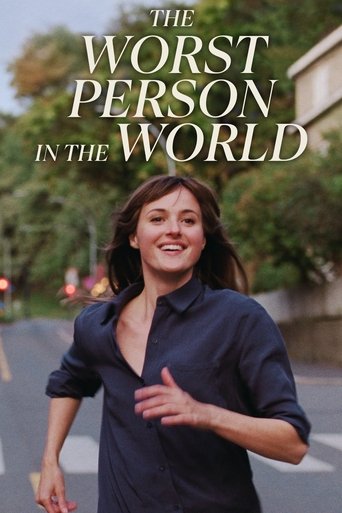
The Worst Person in the World
Where the DNA of The Worst Person in the World travels
Films that shaped it
-
Demy taught cinema that tone could shift like weather, that a film could move from musical joy to genuine melancholy without losing its coherence, that romance and disappointment could coexist in the same frame. The Worst Person in the World absorbs this completely. It's a film about a woman's twenties, which means it's a film about promise and compromise, desire and accident, the moment when spontaneous life becomes something more complicated. Like Demy, Trier treats small choices and small ruptures as genuinely devastating, and the city (Oslo, not Cherbourg) becomes a character that mirrors her changing emotional weather.
-
L’Eclisse Atlas note

Demy taught cinema that tone could shift like weather, that a film could move from musical joy to genuine melancholy without losing its coherence, that romance and disappointment could coexist in the same frame. The Worst Person in the World absorbs this completely. It's a film about a woman's twenties, which means it's a film about promise and compromise, desire and accident, the moment when spontaneous life becomes something more complicated. Like Demy, Trier treats small choices and small ruptures as genuinely devastating, and the city (Oslo, not Cherbourg) becomes a character that mirrors her changing emotional weather.
-
Umbrellas of Cherbourg Atlas note

Demy taught cinema that tone could shift like weather, that a film could move from musical joy to genuine melancholy without losing its coherence, that romance and disappointment could coexist in the same frame. The Worst Person in the World absorbs this completely. It's a film about a woman's twenties, which means it's a film about promise and compromise, desire and accident, the moment when spontaneous life becomes something more complicated. Like Demy, Trier treats small choices and small ruptures as genuinely devastating, and the city (Oslo, not Cherbourg) becomes a character that mirrors her changing emotional weather.
-
The Young Girls of Rochefort Atlas note

Demy taught cinema that tone could shift like weather, that a film could move from musical joy to genuine melancholy without losing its coherence, that romance and disappointment could coexist in the same frame. The Worst Person in the World absorbs this completely. It's a film about a woman's twenties, which means it's a film about promise and compromise, desire and accident, the moment when spontaneous life becomes something more complicated. Like Demy, Trier treats small choices and small ruptures as genuinely devastating, and the city (Oslo, not Cherbourg) becomes a character that mirrors her changing emotional weather.
-
Ji-geum-eun-mat-go-geu-ddae-neun-teul-li-da Atlas note

Demy taught cinema that tone could shift like weather, that a film could move from musical joy to genuine melancholy without losing its coherence, that romance and disappointment could coexist in the same frame. The Worst Person in the World absorbs this completely. It's a film about a woman's twenties, which means it's a film about promise and compromise, desire and accident, the moment when spontaneous life becomes something more complicated. Like Demy, Trier treats small choices and small ruptures as genuinely devastating, and the city (Oslo, not Cherbourg) becomes a character that mirrors her changing emotional weather.