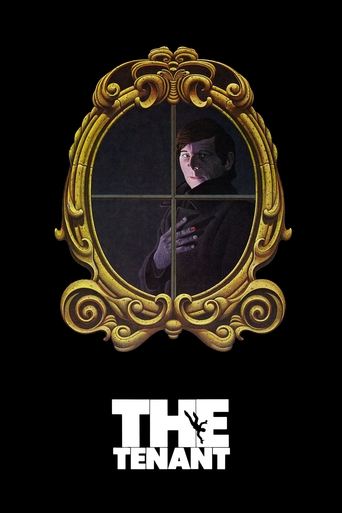
The Tenant
Films it shaped
-
Martin Scorsese has explicitly cited Roman Polanski's *The Tenant* (1976) as a significant influence on *After Hours*, particularly for its depiction of a character descending into paranoia and the claustrophobic, nightmarish atmosphere.
-
Being John Malkovich Atlas note
The delirious, subterranean logic of Being John Malkovich finds its deepest roots in the surrealist nightmares and identity fractures of European arthouse cinema. Spike Jonze and writer Charlie Kaufman drew upon the spatial claustrophobia and psychological unraveling of Roman Polanski's The Tenant, translating its apartment-based paranoia into the cramped, hunchbacked absurdity of the 7½ floor. Kaufman has frequently pointed to the subversive, dreamlike cinema of Luis Buñuel as his guiding light, utilizing the surrealist disconnect seen in That Obscure Object of Desire to completely normalize the bizarre within the narrative. Additionally, the film's literal portals into another consciousness echo the mythological underworld transitions established in Jean Cocteau's Orpheus.
-
Get Out Atlas note

Jordan Peele has cited Roman Polanski's apartment trilogy, Repulsion, Rosemary's Baby, The Tenant, as foundational to Get Out. Polanski showed how domestic spaces become sites of paranoia and entrapment, how politeness itself becomes threatening. Michael Haneke's Funny Games, streaming on Criterion Channel, is the direct ancestor of Get Out's use of liberal white comfort as horror. The most frightening films are about the violence hiding inside normalcy.