The Leopard
Films that shaped it
-
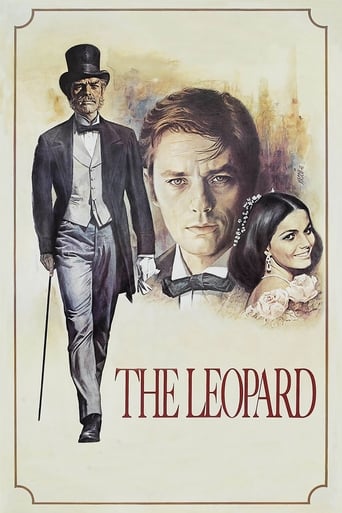
He grew up on opera and realism, and his roots were in French poetic realism, Renoir, Marcel Carné. He went straight from that into Italian neo-realism, making Ossessione (1943)... Then he moved on to a more operatic, theatrical realism, which reached its peak in Senso (1954) and The Leopard (1963).
Films it shaped
-
Visconti’s work, and especially ‘The Leopard,’ has a way of portraying the passing of time and the melancholy of fading beauty that I find incredibly inspiring for my own films.
-
Luca Guadagnino has cited Pier Paolo Pasolini's Teorema, a 1968 Italian film in which a mysterious stranger arrives and seduces every member of a bourgeois family, as the direct narrative model for what happens between Elio and Oliver that summer. Wong Kar-wai's influence is everywhere in the texture: desire as something felt in light and fabric before it's understood as feeling. Teorema is on MUBI and will change how you read the film.
-
The Godfather Atlas note
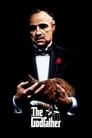
Francis Ford Coppola has named Luchino Visconti's Rocco and His Brothers as the direct ancestor of The Godfather, an Italian film about a Southern immigrant family slowly destroyed by ambition, loyalty, and violence. The Godfather's structure of family as both the source of love and the mechanism of destruction is pure Visconti. The Leopard gave Coppola his visual grammar: the long table scenes, the sense of a dynasty in its last hours. The Godfather is Italian cinema with an American accent.