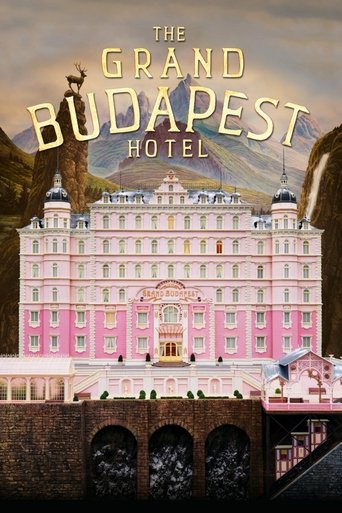
The Grand Budapest Hotel
Where the DNA of The Grand Budapest Hotel travels
Films that shaped it
-
Wes Anderson has openly acknowledged that the primary cinematic foundation for his sprawling alpine adventure rests upon the sophisticated comedies of Ernst Lubitsch, particularly The Shop Around the Corner and To Be or Not to Be. Anderson sought to capture the legendary "Lubitsch touch", a remarkably deft, effervescent tone that masks a deeper melancholy regarding the fragility of civilization in the face of fascism. Additionally, the film's intricate tracking shots and sweeping romantic fatalism draw heavily from the elegant camera movements found in Max Ophüls's The Earrings of Madame de.... By channeling these exact works, Anderson crafted a vibrant love letter to a bygone era of European elegance that was largely preserved only in the amber of classical cinema.
-
Wes Anderson has openly acknowledged that the primary cinematic foundation for his sprawling alpine adventure rests upon the sophisticated comedies of Ernst Lubitsch, particularly The Shop Around the Corner and To Be or Not to Be. Anderson sought to capture the legendary "Lubitsch touch", a remarkably deft, effervescent tone that masks a deeper melancholy regarding the fragility of civilization in the face of fascism. Additionally, the film's intricate tracking shots and sweeping romantic fatalism draw heavily from the elegant camera movements found in Max Ophüls's The Earrings of Madame de.... By channeling these exact works, Anderson crafted a vibrant love letter to a bygone era of European elegance that was largely preserved only in the amber of classical cinema.
-
Wes Anderson has openly acknowledged that the primary cinematic foundation for his sprawling alpine adventure rests upon the sophisticated comedies of Ernst Lubitsch, particularly The Shop Around the Corner and To Be or Not to Be. Anderson sought to capture the legendary "Lubitsch touch", a remarkably deft, effervescent tone that masks a deeper melancholy regarding the fragility of civilization in the face of fascism. Additionally, the film's intricate tracking shots and sweeping romantic fatalism draw heavily from the elegant camera movements found in Max Ophüls's The Earrings of Madame de.... By channeling these exact works, Anderson crafted a vibrant love letter to a bygone era of European elegance that was largely preserved only in the amber of classical cinema.
-
I think for me, Fellini is always a big one. Amarcord is a movie that’s very special to me, and maybe the kind of world that it creates, the atmosphere of it. The idea of a small town that is a very rich place for characters and emotions.
-
Wes Anderson has openly acknowledged that the primary cinematic foundation for his sprawling alpine adventure rests upon the sophisticated comedies of Ernst Lubitsch, particularly The Shop Around the Corner and To Be or Not to Be. Anderson sought to capture the legendary "Lubitsch touch", a remarkably deft, effervescent tone that masks a deeper melancholy regarding the fragility of civilization in the face of fascism. Additionally, the film's intricate tracking shots and sweeping romantic fatalism draw heavily from the elegant camera movements found in Max Ophüls's The Earrings of Madame de.... By channeling these exact works, Anderson crafted a vibrant love letter to a bygone era of European elegance that was largely preserved only in the amber of classical cinema.
-
Prova d’orchestra Atlas note

Wes Anderson has openly acknowledged that the primary cinematic foundation for his sprawling alpine adventure rests upon the sophisticated comedies of Ernst Lubitsch, particularly The Shop Around the Corner and To Be or Not to Be. Anderson sought to capture the legendary "Lubitsch touch", a remarkably deft, effervescent tone that masks a deeper melancholy regarding the fragility of civilization in the face of fascism. Additionally, the film's intricate tracking shots and sweeping romantic fatalism draw heavily from the elegant camera movements found in Max Ophüls's The Earrings of Madame de.... By channeling these exact works, Anderson crafted a vibrant love letter to a bygone era of European elegance that was largely preserved only in the amber of classical cinema.