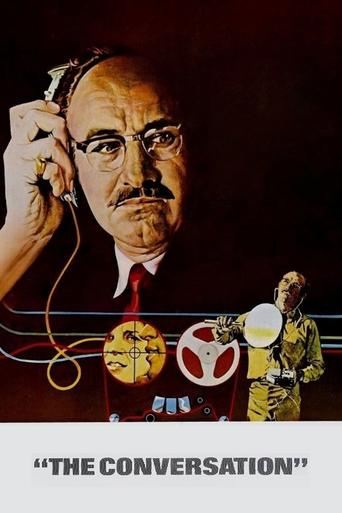
The Conversation
Where the DNA of The Conversation travels
Films that shaped it
-
Blow-Up Atlas note
Yes, 'The Conversation' is a film that I often mention. The way it uses sound and silence to build suspense and character is just masterful. It’s one of those films that really broadened my understanding of cinematic language.


Films it shaped
-
Zodiac Atlas note
David Fincher consciously stripped away the sensationalized, blood-soaked tropes of the serial killer genre, looking instead to the meticulous, paper-chasing journalistic thrillers of the 1970s. Fincher demanded his crew study Alan J. Pakula's All the President's Men, instructing them to obsess over the unglamorous drudgery of reporting, the harsh fluorescent lighting of newsrooms, and the terrifying weight of institutional silence. He also drew heavily upon the suffocating, analog paranoia established in Francis Ford Coppola's The Conversation, perfectly capturing the madness of a man losing himself in audio tapes and ciphers. Through this New Hollywood lens, Fincher transformed a murder mystery into a haunting epic about the destructive nature of obsession.
-
Parasite Atlas note
Bong Joon-ho has said Lee Chang-dong taught him that genre films could carry the weight of social critique without becoming lectures, that entertainment and political anger could share the same frame. Burning and Secret Sunshine are the films that built the tradition Parasite sits inside. But the deeper ancestor is Kim Ki-young's The Housemaid (1960), a Korean film about class resentment in a domestic space, which Bong has called the founding text of Korean cinema. It's on MUBI.