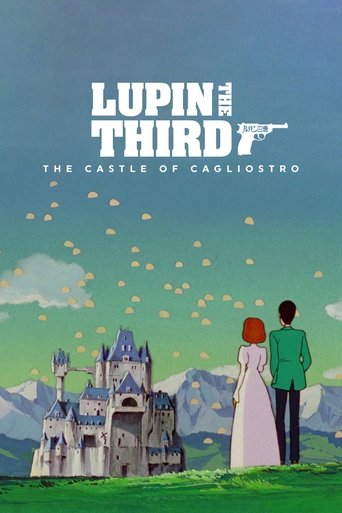
The Castle of Cagliostro
Where the DNA of The Castle of Cagliostro travels
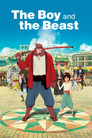
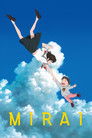
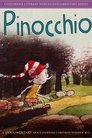
Films it shaped
-
I grew up watching Hayao Miyazaki's films, starting with 'Lupin III: The Castle of Cagliostro'. That was definitely a significant influence on me.
-
I was around 12 or 13 when I saw 'The Castle of Cagliostro,' and it was the first time I realized that animated films could be so sophisticated and artistic, not just for kids. That film really opened my eyes to the potential of animation and definitely pushed me towards this path.
-
I think it’s not just me, but all animators in Japan have been influenced by Miyazaki and by The Castle of Cagliostro. The way that Lupin moves in that film, the way that he handles objects, that's all very important basic knowledge for Japanese animators.
-
'Cagliostro... the first film that truly... when I saw it... I couldn't believe it. I mean, it was absolutely glorious. And the notion of having a film where everything moves, even the grass, the leaves... it gave you the possibility of creating that world, that world of complete movement that is so captivating. I think it influenced me greatly for 'Pinocchio' and all the stop-motion stuff.'
-
The Bad Guys Atlas note
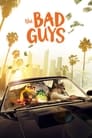
Pierre Perifel studied Hayao Miyazaki's The Castle of Cagliostro, the 1979 Lupin III film, to understand how to animate a gentleman thief with kinetic grace. Miyazaki's use of movement to convey character, the stylized chases where the camera follows impossible motion, the way Lupin's elusiveness is expressed through animation itself, these became Perifel's template for Mr. Wolf. Perifel cited this in a 2022 Animation Magazine feature. Castle of Cagliostro is available on Criterion Channel.