Rashomon
Where the DNA of Rashomon travels
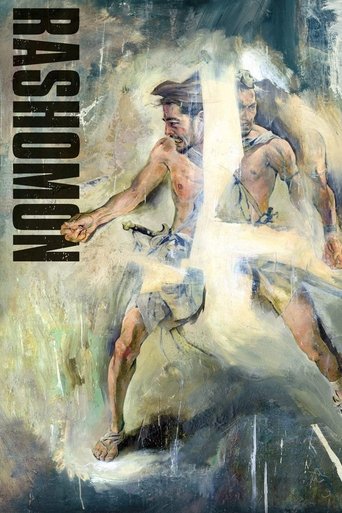
Films it shaped
-
And "Rashomon" really was the basis for "She's Gotta Have It," because, in "Rashomon," there's a rape and a murder...
-
The fact is that the structure of the film, with its changes in chronology and points of view, was dictated by the very difficulty of obtaining the truth. The inspiration for this kind of narrative came from... I would say, from Kurosawa's Rashomon.
-
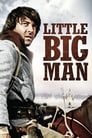
Well, it is, in a sense, a Rashomon effect. The whole question of truth is really one of how it’s seen. And one of the points that I was trying to make in Little Big Man was that, finally, history is not only written by the winners, but it’s told by individuals, and it’s perceived by individuals, and therefore it’s always partial.
-
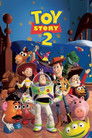
It's true! We looked at Kurosawa films to understand how to craft complex characters, especially villains. We wanted Stinky Pete to have a human, relatable reason for his actions, rather than just being evil for evil's sake. Films like 'Rashomon' or 'Seven Samurai' show that often, there are no pure heroes or villains, just people making choices based on their perspective and experiences. That informed our approach to him.
-
It's always a question for me to invent a new way of telling a story. I like the idea that a story can be told in many different ways, and the audience has to put the pieces together. It's like in Rashomon by Kurosawa. It's not about finding the truth, but about understanding that the truth is always subjective.
-
In The Handmaiden, I tried to take a three-part structure and use it to reveal different layers of truth, not unlike Kurosawa’s Rashomon or Clouzot’s Les Diaboliques.
-
The Exorcist Atlas note
I studied Akira Kurosawa’s Rashomon, a perfect film about the relativity of truth and perception, and the ambiguity of its various points of view. I applied this structure to the ambiguity of Regan’s possession in 'The Exorcist', where you don’t fully know what is true.
-
Star Wars: Episode VIII - The Last Jedi Atlas note

Rian Johnson convened his crew at Lucasfilm and screened Japanese samurai films, not as homage, but as architecture. Hideo Gosha's Three Outlaw Samurai taught him how to frame three characters moving through combat with absolute clarity. Kurosawa's Rashomon showed him how to take the same event and show it fractured through different perspectives, each revealing different truth. The Luke-Kylo flashback sequences are Rashomon remade as Star Wars. Both films are on Criterion Channel.