Parasite
Where the DNA of Parasite travels
Films that shaped it
-
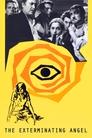
The Exterminating Angel by Luis Buñuel. It's a surrealist film about a group of rich people who can’t leave a party. Parasite starts with a different kind of setup, but then becomes something similar.
-
Bong Joon-ho has said Lee Chang-dong taught him that genre films could carry the weight of social critique without becoming lectures, that entertainment and political anger could share the same frame. Burning and Secret Sunshine are the films that built the tradition Parasite sits inside. But the deeper ancestor is Kim Ki-young's The Housemaid (1960), a Korean film about class resentment in a domestic space, which Bong has called the founding text of Korean cinema. It's on MUBI.
-
Bong Joon-ho has said Lee Chang-dong taught him that genre films could carry the weight of social critique without becoming lectures, that entertainment and political anger could share the same frame. Burning and Secret Sunshine are the films that built the tradition Parasite sits inside. But the deeper ancestor is Kim Ki-young's The Housemaid (1960), a Korean film about class resentment in a domestic space, which Bong has called the founding text of Korean cinema. It's on MUBI.
-
Bong Joon-ho has said Lee Chang-dong taught him that genre films could carry the weight of social critique without becoming lectures, that entertainment and political anger could share the same frame. Burning and Secret Sunshine are the films that built the tradition Parasite sits inside. But the deeper ancestor is Kim Ki-young's The Housemaid (1960), a Korean film about class resentment in a domestic space, which Bong has called the founding text of Korean cinema. It's on MUBI.
-
Bong Joon-ho has said Lee Chang-dong taught him that genre films could carry the weight of social critique without becoming lectures, that entertainment and political anger could share the same frame. Burning and Secret Sunshine are the films that built the tradition Parasite sits inside. But the deeper ancestor is Kim Ki-young's The Housemaid (1960), a Korean film about class resentment in a domestic space, which Bong has called the founding text of Korean cinema. It's on MUBI.
-
When discussing the tone of the wealthy Park family, Bong said he looked to two films in particular: Robert Altman’s 'The Player' and Joseph Losey’s 'The Servant.' Bong said he focused on the 'elegant' ways those films presented their wealthy characters.
-
Psycho Atlas note
Bong Joon-ho has said Lee Chang-dong taught him that genre films could carry the weight of social critique without becoming lectures, that entertainment and political anger could share the same frame. Burning and Secret Sunshine are the films that built the tradition Parasite sits inside. Bong has been just as explicit about Hitchcock: the slow infiltration of the Bates house in Psycho, the camera delving ever deeper into a structure that hides something terrible, was his model for how Parasite leads you through the Park family's home, and the film's mid-point swerve from comedy to horror echoes Psycho's own notorious genre rupture. But the deeper ancestor is Kim Ki-young's The Housemaid (1960), a Korean film about class resentment in a domestic space, which Bong has called the founding text of Korean cinema. It's on MUBI.
-
The Housemaid Atlas note

Bong Joon-ho has said Lee Chang-dong taught him that genre films could carry the weight of social critique without becoming lectures, that entertainment and political anger could share the same frame. Burning and Secret Sunshine are the films that built the tradition Parasite sits inside. Bong has been just as explicit about Hitchcock: the slow infiltration of the Bates house in Psycho, the camera delving ever deeper into a structure that hides something terrible, was his model for how Parasite leads you through the Park family's home, and the film's mid-point swerve from comedy to horror echoes Psycho's own notorious genre rupture. But the deeper ancestor is Kim Ki-young's The Housemaid (1960), a Korean film about class resentment in a domestic space, which Bong has called the founding text of Korean cinema. It's on MUBI.
-
The Conversation Atlas note
Bong Joon-ho has said Lee Chang-dong taught him that genre films could carry the weight of social critique without becoming lectures, that entertainment and political anger could share the same frame. Burning and Secret Sunshine are the films that built the tradition Parasite sits inside. But the deeper ancestor is Kim Ki-young's The Housemaid (1960), a Korean film about class resentment in a domestic space, which Bong has called the founding text of Korean cinema. It's on MUBI.
-
Blue Velvet Atlas note
Bong Joon-ho has said Lee Chang-dong taught him that genre films could carry the weight of social critique without becoming lectures, that entertainment and political anger could share the same frame. Burning and Secret Sunshine are the films that built the tradition Parasite sits inside. But the deeper ancestor is Kim Ki-young's The Housemaid (1960), a Korean film about class resentment in a domestic space, which Bong has called the founding text of Korean cinema. It's on MUBI.
-
La Cérémonie Atlas note
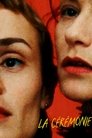
Bong Joon-ho has said Lee Chang-dong taught him that genre films could carry the weight of social critique without becoming lectures, that entertainment and political anger could share the same frame. Burning and Secret Sunshine are the films that built the tradition Parasite sits inside. But the deeper ancestor is Kim Ki-young's The Housemaid (1960), a Korean film about class resentment in a domestic space, which Bong has called the founding text of Korean cinema. It's on MUBI.
-
Memories of Murder Atlas note
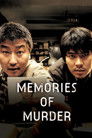
Bong Joon-ho has said Lee Chang-dong taught him that genre films could carry the weight of social critique without becoming lectures, that entertainment and political anger could share the same frame. Burning and Secret Sunshine are the films that built the tradition Parasite sits inside. But the deeper ancestor is Kim Ki-young's The Housemaid (1960), a Korean film about class resentment in a domestic space, which Bong has called the founding text of Korean cinema. It's on MUBI.
-
Hidden Atlas note
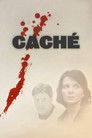
Bong Joon-ho has said Lee Chang-dong taught him that genre films could carry the weight of social critique without becoming lectures, that entertainment and political anger could share the same frame. Burning and Secret Sunshine are the films that built the tradition Parasite sits inside. But the deeper ancestor is Kim Ki-young's The Housemaid (1960), a Korean film about class resentment in a domestic space, which Bong has called the founding text of Korean cinema. It's on MUBI.
-
Poetry Atlas note
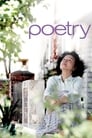
Bong Joon-ho has said Lee Chang-dong taught him that genre films could carry the weight of social critique without becoming lectures, that entertainment and political anger could share the same frame. Burning and Secret Sunshine are the films that built the tradition Parasite sits inside. But the deeper ancestor is Kim Ki-young's The Housemaid (1960), a Korean film about class resentment in a domestic space, which Bong has called the founding text of Korean cinema. It's on MUBI.
-
Burning Atlas note
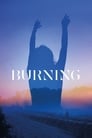
Bong Joon-ho has said Lee Chang-dong taught him that genre films could carry the weight of social critique without becoming lectures, that entertainment and political anger could share the same frame. Burning and Secret Sunshine are the films that built the tradition Parasite sits inside. But the deeper ancestor is Kim Ki-young's The Housemaid (1960), a Korean film about class resentment in a domestic space, which Bong has called the founding text of Korean cinema. It's on MUBI.
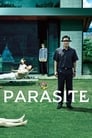

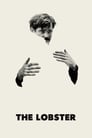





Films it shaped
-
fennel is taking part in this smug class allegory Trend that's been riding off the coiles of parasite