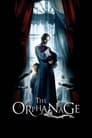
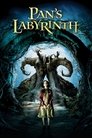
Pan's Labyrinth
Where the DNA of Pan's Labyrinth travels
Films that shaped it
-
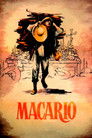
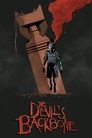
Del Toro explicitly states that Roberto Gavaldón’s films, particularly 'Macario,' were foundational in shaping his own cinematic language, including his visual style, thematic preoccupations with death, folklore, and the supernatural, and his unique blend of gothic horror, social realism, and rich visual storytelling. He draws parallels between Gavaldón’s use of chiaroscuro and gothic atmosphere and his own work, such as 'Pan's Labyrinth' and 'The Devil's Backbone'.
-
Víctor Erice’s film, which is probably the most beautiful film in the history of Spanish cinema, has been a touchstone for me. The way he directs children, the way he gives children a mythic quality, has been an influence on me since I saw it.
-
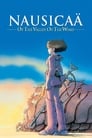
Miyazaki, for me, since the first time I saw Nausicaä in the early days, was something that transformed my idea of what animation could be, and what fantasy could be. And certainly influenced things like Pan's Labyrinth in terms of the way I approached fantasy.
-
Terry Gilliam is my sensei, my master. He influenced me since I was a kid. Time Bandits, Jabberwocky, Brazil, they all fed into my imagination.
-
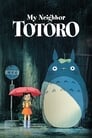
I often use 'My Neighbor Totoro' as an example of how you can approach fantastic elements in a completely natural way. The way that Miyazaki integrates these creatures into the mundane, it just feels so organic. That was a big lesson for me in 'Pan’s Labyrinth.'
-
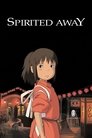
I’m also very inspired by Japanese animation. I love Miyazaki’s work. I consider him to be one of the greatest storytellers of all time. Especially ‘Spirited Away,’ which I think is one of the most powerful and moving films ever made. It’s certainly influenced me.





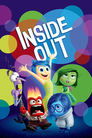

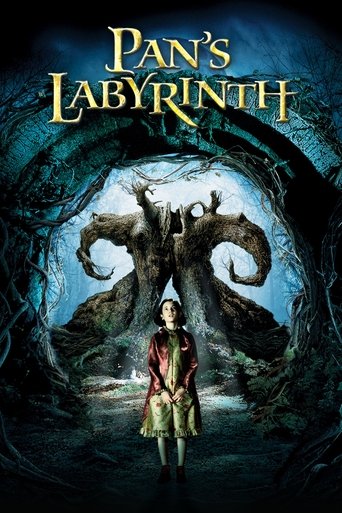
Films it shaped
-
Del Toro is a master when it comes to combining genres. He combines fairy tales with political issues in 'Pan's Labyrinth' in a really clever way. I learnt a lot from Guillermo, particularly when it comes to his narrative structure, and finding a strong balance between the fantasy and reality of a story, which was essential for 'The Orphanage'.