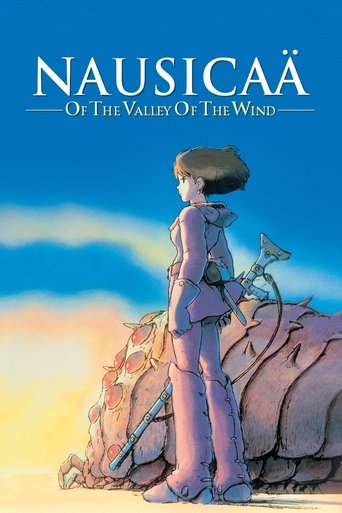
Nausicaä of the Valley of the Wind
Where the DNA of Nausicaä of the Valley of the Wind travels
Films it shaped
-
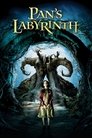
Miyazaki, for me, since the first time I saw Nausicaä in the early days, was something that transformed my idea of what animation could be, and what fantasy could be. And certainly influenced things like Pan's Labyrinth in terms of the way I approached fantasy.
-
The films of Hayao Miyazaki, especially Nausicaä of the Valley of the Wind and Laputa: Castle in the Sky, were shown to me at a very impressionable age, when I was in elementary or middle school. Those films are undoubtedly part of my foundation and formed the backbone of my understanding of film.
-
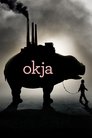
Bong admits to being a big admirer of Japanese anime master Hayao Miyazaki, whose 1984 film Nausicaä of the Valley of the Wind ‘was very important to me’. He adds: ‘When I was preparing Okja, I thought about Nausicaä’s portrayal of humanity’s relationship with nature. It’s a huge source of inspiration for films with ecological themes.’
-
Spirited Away Atlas note

Spirited Away is Studio Ghibli, which is itself a world cinema institution. Miyazaki's films draw from Japanese folklore, Shinto spirituality, and a specifically Japanese relationship with nature and the supernatural that has no Western equivalent. The entire Ghibli catalogue is streaming on Max, but Miyazaki's deeper influences, the Japanese animation tradition, the folk tales that Totoro and Spirited Away draw from, are worth exploring. Princess Mononoke and Nausicaä are the gateway to understanding what Miyazaki is actually doing.
-
Avatar Atlas note
James Cameron grounded Pandora in a visual tradition decades old: the Japanese animation of Hayao Miyazaki, where nature is sacred, human industrialization is violation, and the camera moves through landscapes with spiritual reverence. Cameron screened Princess Mononoke repeatedly while developing Avatar's ecosystem, absorbing Miyazaki's understanding that ecological collapse is tragedy, not spectacle. The shared DNA runs through environmental mythology, through the reverence for what we destroy. Available on Criterion Channel.