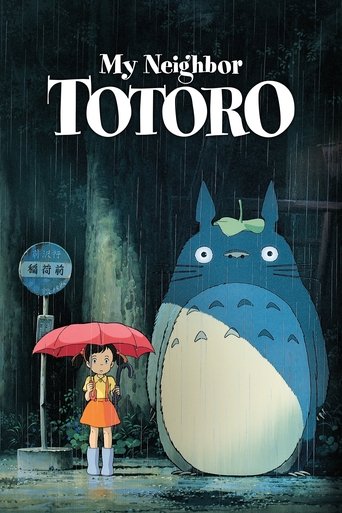
My Neighbor Totoro
Where the DNA of My Neighbor Totoro travels
Films it shaped
-
Miyazaki is just one of the greatest directors, period. My Neighbor Totoro is an absolute gem. The pacing and the way it trusts the audience to engage with its gentle rhythms, that's a huge influence on me, especially in animated films.
-
I often use 'My Neighbor Totoro' as an example of how you can approach fantastic elements in a completely natural way. The way that Miyazaki integrates these creatures into the mundane, it just feels so organic. That was a big lesson for me in 'Pan’s Labyrinth.'
-
When I think of the films that influenced me as an animator, 'My Neighbor Totoro' is certainly one of them. Its gentle depiction of nature and innocent adventures showed me a path for animation that wasn't about action, but about feeling and atmosphere.
-
I think 'My Neighbor Totoro' is a film that all Japanese directors have been influenced by to some extent. It's a film that teaches you how to present a fantastical world in a realistic setting. It had a significant impact on my work in that regard.
-
For animation, it’s Hayao Miyazaki and 'My Neighbor Totoro' that comes to mind. It's truly a masterpiece in how it portrays children’s point of view and their connection with nature. It's a huge influence on my approach to character and story.
-
I think Japanese cinema, in general, is very inspiring to me, and Hayao Miyazaki and animation films were certainly something that inspired me... My Neighbor Totoro is a movie that really stayed with me, and it definitely became part of the stew of things that influence me.
-
I think definitely Studio Ghibli films like 'My Neighbor Totoro' were a huge influence for 'Turning Red,' just in terms of how it portrays the feeling of being a kid and experiencing these fantastic things that could be real or not real.
-
Spirited Away Atlas note
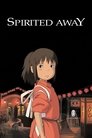
Spirited Away is Studio Ghibli, which is itself a world cinema institution. Miyazaki's films draw from Japanese folklore, Shinto spirituality, and a specifically Japanese relationship with nature and the supernatural that has no Western equivalent. The entire Ghibli catalogue is streaming on Max, but Miyazaki's deeper influences, the Japanese animation tradition, the folk tales that Totoro and Spirited Away draw from, are worth exploring. Princess Mononoke and Nausicaä are the gateway to understanding what Miyazaki is actually doing.
-
Toy Story 3 Atlas note

Lee Unkrich embedded a Totoro plush in the daycare scenes as a signal: Pixar was learning from Hayao Miyazaki. The emotional pacing of Toy Story 3, the willingness to let quiet moments carry weight, to let sadness breathe, is inherited from Miyazaki's understanding of how to make children's films that don't insult the viewer's capacity for feeling. Unkrich documented this influence in 2010 interviews. My Neighbor Totoro is available on Criterion Channel.
-
Big Hero 6 Atlas note

Don Hall cites Hayao Miyazaki's My Neighbor Totoro as the emotional and visual blueprint for the Hiro-Baymax relationship, specifically how Miyazaki creates comfort through size difference and non-verbal communication. Baymax is Totoro reimagined as a healthcare companion in a high-tech city. Hall documents this in 2014 interviews. My Neighbor Totoro is available on Criterion Channel.
-
Inside Out Atlas note
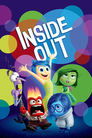
Pete Docter studied Miyazaki's use of ma, the Japanese concept of emptiness, of silence as presence, to understand how to pace emotional films. The quiet moments in Inside Out where Joy and Sadness simply exist together are learned from watching Miyazaki let moments breathe. Docter cites Miyazaki as foundational to his understanding of animation as medium for feeling. Both My Neighbor Totoro and Spirited Away are on Criterion Channel.