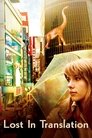
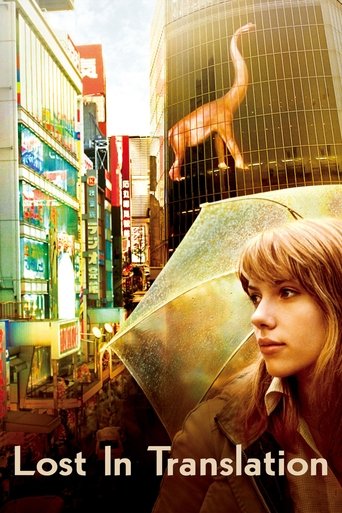
Lost in Translation
Where the DNA of Lost in Translation travels
Films that shaped it
-
[Brief Encounter] was in my mind while writing but I was looking a lot of the idea of being connected.
-
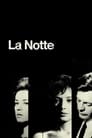
We watched Antonioni films, like L'Avventura and La Notte, and some early Francis Ford Coppola movies. The way they shot things and the pacing, the mood, were an inspiration.
-
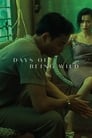
Definitely Wong Kar-wai, for sure, especially for 'Lost in Translation.' The mood, the lighting, the feeling of cities at night, that kind of lonely, romantic feeling. Days of Being Wild and Chungking Express were very influential.
-
Tokyo Story Atlas note
Sofia Coppola has said she wanted Lost in Translation to feel like a Wong Kar-wai film set in Tokyo, the same grammar of longing, the same two people in a city who almost connect and then don't. In the Mood for Love is the direct model: desire as proximity, missed by centimeters. Ozu's Tokyo Story is the other ancestor, the city as a place where people pass each other in corridors without ever really meeting.
-
Wings of Desire Atlas note
Sofia Coppola has said she wanted Lost in Translation to feel like a Wong Kar-wai film set in Tokyo, the same grammar of longing, the same two people in a city who almost connect and then don't. In the Mood for Love is the direct model: desire as proximity, missed by centimeters. Ozu's Tokyo Story is the other ancestor, the city as a place where people pass each other in corridors without ever really meeting.
-
Chungking Express Atlas note

Sofia Coppola has said she wanted Lost in Translation to feel like a Wong Kar-wai film set in Tokyo, the same grammar of longing, the same two people in a city who almost connect and then don't. In the Mood for Love is the direct model: desire as proximity, missed by centimeters. Ozu's Tokyo Story is the other ancestor, the city as a place where people pass each other in corridors without ever really meeting.
-
In the Mood for Love Atlas note
Sofia Coppola has said she wanted Lost in Translation to feel like a Wong Kar-wai film set in Tokyo, the same grammar of longing, the same two people in a city who almost connect and then don't. In the Mood for Love is the direct model: desire as proximity, missed by centimeters. Ozu's Tokyo Story is the other ancestor, the city as a place where people pass each other in corridors without ever really meeting.