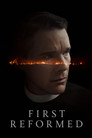
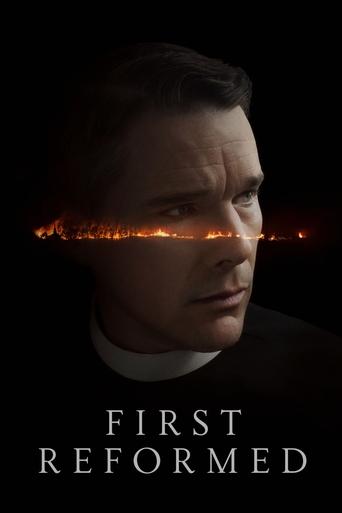
First Reformed
Where the DNA of First Reformed travels
Films that shaped it
-
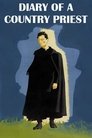
I wanted to make a spiritual thriller, an existential thriller, and I thought the elements that Bresson and Bergman and Dreyer and Ozu, the elements that they brought to the spiritual film, could be transmuted into a thriller that would keep the audience on the edge of their seat.
-
I wanted to make a spiritual thriller, an existential thriller, and I thought the elements that Bresson and Bergman and Dreyer and Ozu, the elements that they brought to the spiritual film, could be transmuted into a thriller that would keep the audience on the edge of their seat.
-
I wanted to make a spiritual thriller, an existential thriller, and I thought the elements that Bresson and Bergman and Dreyer and Ozu, the elements that they brought to the spiritual film, could be transmuted into a thriller that would keep the audience on the edge of their seat.
-
I wanted to make a spiritual thriller, an existential thriller, and I thought the elements that Bresson and Bergman and Dreyer and Ozu, the elements that they brought to the spiritual film, could be transmuted into a thriller that would keep the audience on the edge of their seat.
-
I wanted to make a spiritual thriller, an existential thriller, and I thought the elements that Bresson and Bergman and Dreyer and Ozu, the elements that they brought to the spiritual film, could be transmuted into a thriller that would keep the audience on the edge of their seat.
-
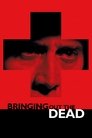
MUBI: You wrote a foundational text on the transcendental style in film (Ozu, Bresson, Dreyer). How do you feel about the current state of slow cinema, especially in relation to spirituality and transcendence? SCHRADER: Well, the current crop of slow cinema are my illegitimate children. I’m happy to take credit for them, but they’re not all legitimate. The true transcendental film is one that takes the narrative from melodrama, from violence, from sex, from all the normal hooks that pull you into a movie, and gradually transcends them and goes to a higher place. So a movie like First Reformed or Light Sleeper or Patty Hearst or Mishima or Hardcore starts with these traditional hooks, and then you gradually realize that there’s something else going on, and at the end of the film you’re not thinking about the sex or the violence or the melodrama, you’re thinking about something else.
-
Au Hasard Balthazar Atlas note
I wanted to make a spiritual thriller, an existential thriller, and I thought the elements that Bresson and Bergman and Dreyer and Ozu, the elements that they brought to the spiritual film, could be transmuted into a thriller that would keep the audience on the edge of their seat.