Don't Look Now
Where the DNA of Don't Look Now travels
Films it shaped
-
Visually, I was trying to mix different styles, from the experimental cinema of Kenneth Anger and Jordan Belson to films like Suspiria for its extreme use of color.
-
I tried to evoke the ghost story of the '60s, the '70s. 'Don't Look Now,' 'The Innocents,' 'The Haunting' ... These are movies that I believe, with the exception of 'The Haunting,' have a very strong visual beauty. That was something I tried to evoke.
-
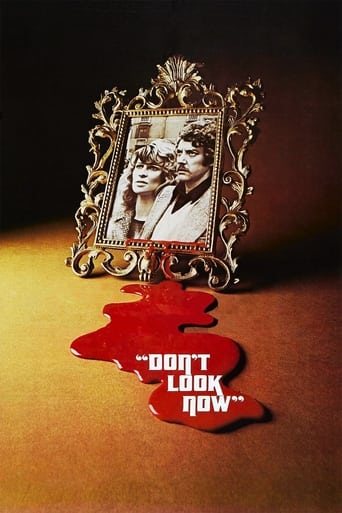
I love directors who play with time and subjectivity, like Roeg in Don’t Look Now or Kubrick in 2001. They showed me that you don’t have to follow a linear path to tell a powerful story.
-
Ari Aster has cited Ingmar Bergman repeatedly, specifically the way Bergman uses family as a crucible for psychological destruction. Persona, Hour of the Wolf, Cries and Whispers, Bergman's films are horror films that refuse to call themselves that. The grief at the center of Hereditary, the way trauma passes through families like a curse, this is Bergman's territory. Hour of the Wolf is Bergman's actual horror film and is streaming on the Criterion Channel.
-
He cited, for instance, Nicolas Roeg’s ‘Don’t Look Now’ (1973) and Stanley Kubrick’s ‘The Shining’ (1980), as well as a range of films by Ingmar Bergman and Carl Theodor Dreyer.