Django Unchained
Films that shaped it
-
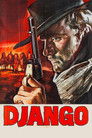
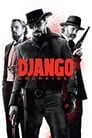
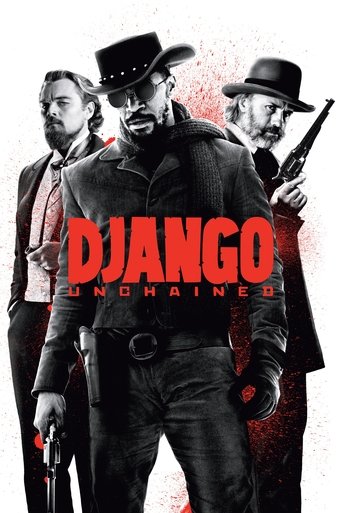
Quentin Tarantino architected this film around Sergio Corbucci's 1966 Spaghetti Western Django, even casting the original star Franco Nero in a cameo. Tarantino also studied Corbucci's The Great Silence (1968) for its willingness to place brutal, bloody violence against stark snowscapes. Django becomes a conversation between films across decades, Corbucci's Italian Westerns speaking directly to a contemporary reckoning.
-
Quentin Tarantino architected this film around Sergio Corbucci's 1966 Spaghetti Western Django, even casting the original star Franco Nero in a cameo. Tarantino also studied Corbucci's The Great Silence (1968) for its willingness to place brutal, bloody violence against stark snowscapes. Django becomes a conversation between films across decades, Corbucci's Italian Westerns speaking directly to a contemporary reckoning.
-
For a Few Dollars More Atlas note
Quentin Tarantino architected this film around Sergio Corbucci's 1966 Spaghetti Western Django, even casting the original star Franco Nero in a cameo. Tarantino also studied Corbucci's The Great Silence (1968) for its willingness to place brutal, bloody violence against stark snowscapes. Django becomes a conversation between films across decades, Corbucci's Italian Westerns speaking directly to a contemporary reckoning.
-
The Great Silence Atlas note
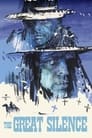
Quentin Tarantino architected this film around Sergio Corbucci's 1966 Spaghetti Western Django, even casting the original star Franco Nero in a cameo. Tarantino also studied Corbucci's The Great Silence (1968) for its willingness to place brutal, bloody violence against stark snowscapes. Django becomes a conversation between films across decades, Corbucci's Italian Westerns speaking directly to a contemporary reckoning.
-
The Mercenary Atlas note
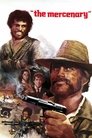
Quentin Tarantino architected this film around Sergio Corbucci's 1966 Spaghetti Western Django, even casting the original star Franco Nero in a cameo. Tarantino also studied Corbucci's The Great Silence (1968) for its willingness to place brutal, bloody violence against stark snowscapes. Django becomes a conversation between films across decades, Corbucci's Italian Westerns speaking directly to a contemporary reckoning.
-
Coup de Torchon Atlas note

Quentin Tarantino architected this film around Sergio Corbucci's 1966 Spaghetti Western Django, even casting the original star Franco Nero in a cameo. Tarantino also studied Corbucci's The Great Silence (1968) for its willingness to place brutal, bloody violence against stark snowscapes. Django becomes a conversation between films across decades, Corbucci's Italian Westerns speaking directly to a contemporary reckoning.