Django
Films it shaped
-
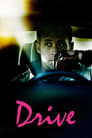
Nicolas Winding Refn crafted Drive as an intoxicating, neon-drenched fairy tale, but its stoic soul belongs entirely to the French cinematic tradition of the ultra-cool, ascetic criminal. Refn and star Ryan Gosling obsessively studied Jean-Pierre Melville's Le Samouraï, borrowing Alain Delon's deadpan silence and the mythological code of an underworld phantom who speaks only when absolutely necessary. The film's deliberate, hypnotic pacing and fascination with solitary men navigating fatalistic systems is further reinforced by Melville's Le Cercle Rouge. By bathing the clinical detachment of the French New Wave era in a synth-pop, Los Angeles glow, Refn orchestrated a mesmerizing explosion of romantic brutality.
-
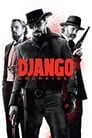
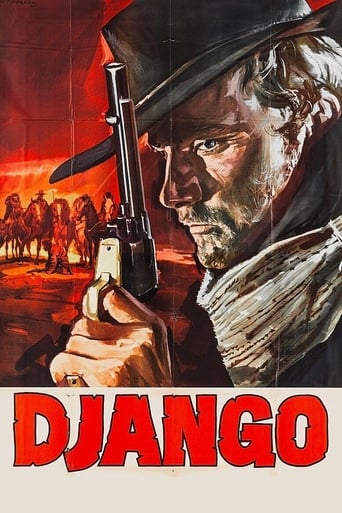
Quentin Tarantino architected this film around Sergio Corbucci's 1966 Spaghetti Western Django, even casting the original star Franco Nero in a cameo. Tarantino also studied Corbucci's The Great Silence (1968) for its willingness to place brutal, bloody violence against stark snowscapes. Django becomes a conversation between films across decades, Corbucci's Italian Westerns speaking directly to a contemporary reckoning.