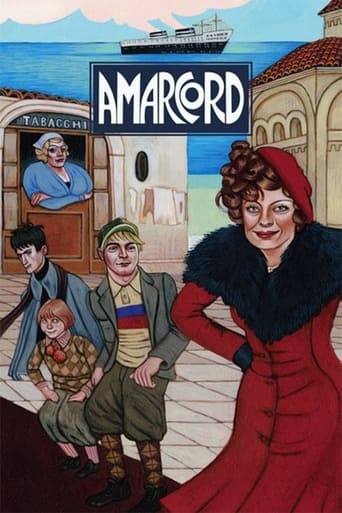
Amarcord
Films it shaped
-
Amarcord, for me, is perhaps his greatest achievement, a portrait of memory, a vision of a time and place that is both specific and universal. It's a film that resonates deeply with me, particularly when I explore themes of community and recollection in my own work, like Goodfellas or Casino.
-
Fellini, with films like Amarcord and 8 1/2, inspired me on the use of non-linear memory and the atmosphere.
-
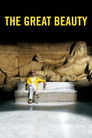
I love Fellini, particularly the Fellini of 'Amarcord.' I think that 'Amarcord' is a masterpiece about the past, and my films, especially 'The Great Beauty,' are also a reflection on the past, on memory, on what remains.
-
I think for me, Fellini is always a big one. Amarcord is a movie that’s very special to me, and maybe the kind of world that it creates, the atmosphere of it. The idea of a small town that is a very rich place for characters and emotions.
-
The film is Amarcord, and the way he uses memory, the way he uses nostalgia, the way he uses the town, the way he uses the political allegory... all of that had a huge impact on me.
-
I revisited a lot of Mexican films, particularly from the Golden Age of Mexican Cinema, like Buñuel’s Los Olvidados to kind of remember the texture and the sounds of Mexico City.
-
I watched Fellini’s Amarcord for the first time when I was a teenager, and it became an obsession. It certainly gave me the courage to make a film from my own memories.
-
Harry Potter and the Prisoner of Azkaban Atlas note

Alfonso Cuarón shifted the franchise by citing The 400 Blows and Amarcord as primary influences, both films about adolescence as messy, rebellious, unglamorous. The Prisoner of Azkaban abandons the polished fairy-tale aesthetic of the first two films for Truffaut's grounded humanity and Fellini's slightly chaotic realism. Cuarón documented this in 2004 DVD extras, understanding that growing up requires cinema that admits chaos. Both films are on Criterion Channel.