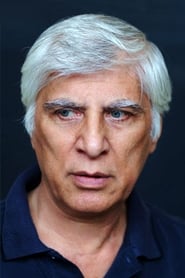
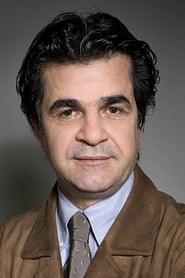
Asghar Farhadi
The architect of moral ambiguity. His films unfold like legal depositions, each character a witness to their own contradiction, guilt distributed evenly across the frame. He finds the tragedy in ordinary people trapped by circumstances they cannot fully understand.
Read more TSPDTAcademy AwardsIMDb

Start here

The Past
After four years apart, Ahmad returns to his wife Marie in Paris in order to progress their divorce. During his brief stay, he cannot help noticing the strained relationship between Marie and her daughter Lucie.
Films




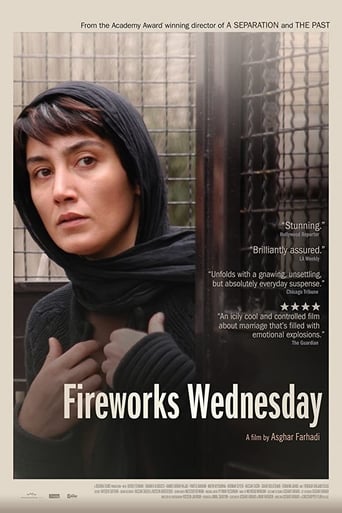

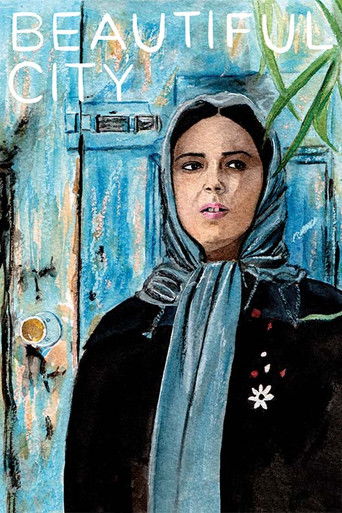
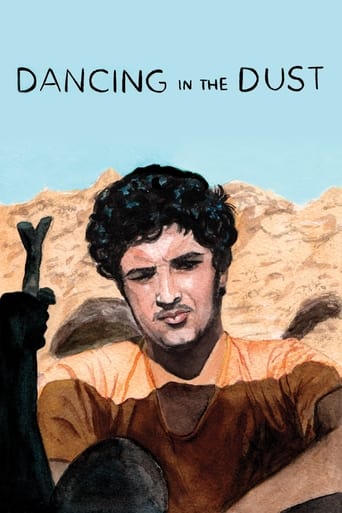

Keep following
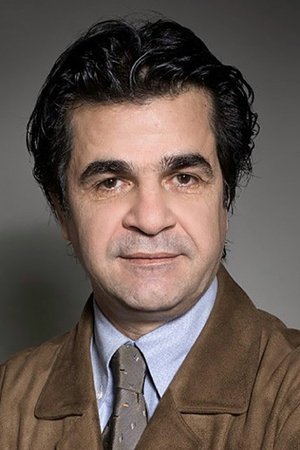
Fellow Iranian New Wave masters — both make films about constraint and resistance, about what can and cannot be shown.

Both are architects of narrative opacity — films that withhold final judgment, where truth fragments across multiple perspectives.

Both excavate social fracture through intimate family dramas — the personal and political made inseparable.

Both use formal precision to expose the machinery of social entrapment — cinema as a court where no one leaves innocent.